Skip to content
Table of Contents
If you have decided to smooth out expression lines but keep landing on the same question, you are not alone. Botox vs Dysport is one of the most common decisions patients face, and the honest answer is that both work well. At Wilson Aesthetics in Prescott Valley, AZ, both are offered to soften wrinkles, and the right pick depends on your treatment area, how fast you want results, and what your provider recommends after looking at your face.
Here is how the two compare, so you can walk into your appointment knowing what to ask.
Should I choose Botox or Dysport for my wrinkles?
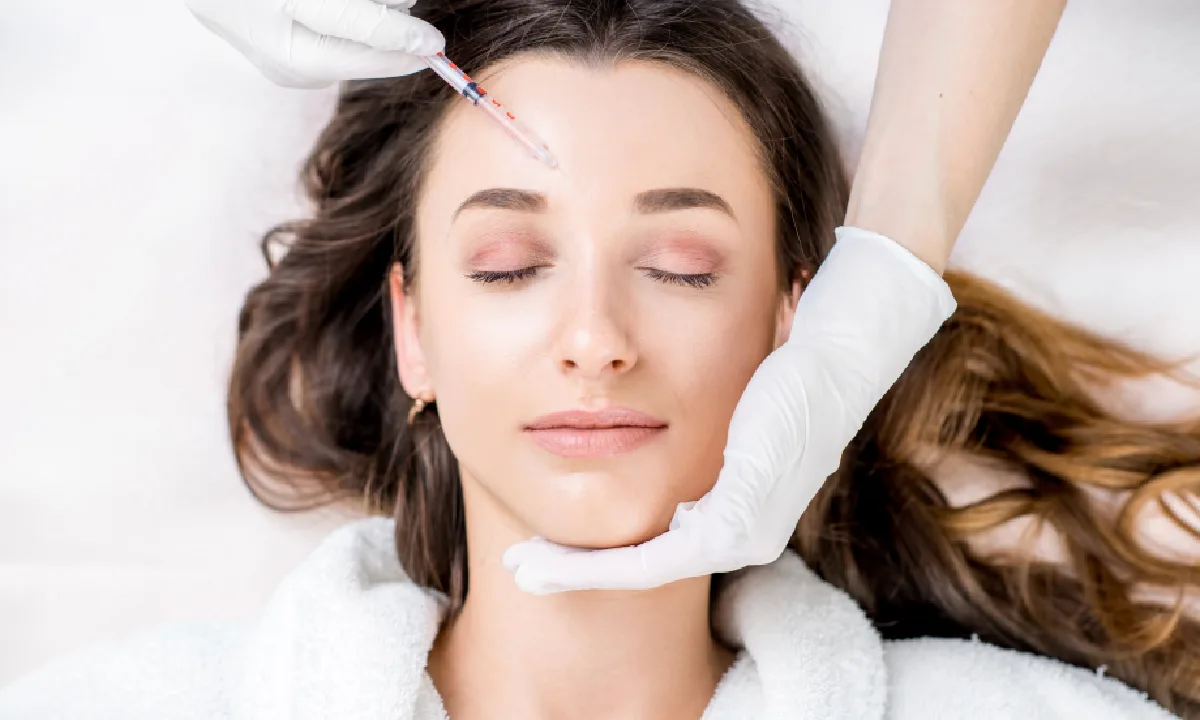
Both Botox and Dysport are FDA-approved injectables that ease the muscle movement behind expression lines, so either can help smooth wrinkles. Because Dysport spreads more and shows up faster, it suits broader areas like the forehead, while Botox stays more concentrated for smaller, detailed spots. Which one fits best comes down to the area treated, how soon you want results, and your provider’s recommendation.
How Botox and Dysport Are Alike
Botox® and Dysport® have more in common than not, so it is worth starting with the overlap. Both are FDA-approved injectables that temporarily relax the facial muscles behind dynamic wrinkles, the lines that show up when you frown, squint, or smile. Here is where they line up:
- Both are used to soften the same familiar areas, including the forehead, the frown lines between the brows, and the crow’s feet around the eyes.
- Both appointments take about 15 minutes and involve no real downtime, so you can head back to your day right after.
- Both typically last around 3 to 4 months for most patients before a maintenance visit keeps results consistent.
When either is placed well, your face should still move naturally. Looking frozen is not the goal for either treatment, and it is not what a good result looks like.
How Botox and Dysport Are Different
The differences come down to timing and how the product behaves once injected. As neurotoxin injections for wrinkles, Botox and Dysport work through the same basic mechanism, but a few practical distinctions can tip the decision:
- Onset: Dysport results can start showing in about 2 to 3 days, while Botox typically begins working in 3 to 5 days.
- Spread: Dysport diffuses a little more from each injection point, so it covers a wider footprint, while Botox stays more concentrated where it is placed.
- Full effect: Dysport tends to reach its full result by day 7, and Botox usually lands around 7 to 10 days.
Neither difference makes one better across the board. Both wear off gradually rather than all at once, which is why maintenance visits every few months keep your results steady no matter which you choose.
Which One Is Better for Your Concern
The better choice usually depends on the area you want treated and how soon you want to see change. Here is how the two tend to line up:
- Dysport can be a practical fit for larger, broader zones like the forehead, since its slightly wider spread covers more ground at once.
- Botox can suit smaller or more detailed areas where precise, controlled placement matters most, such as fine lines around the eyes or the frown lines between the brows.
- Dysport may appeal to you if you have an event on the calendar and want visible smoothing a little sooner, thanks to its faster onset.
Both still remain strong options for the same concerns, and the edge between them is often small and specific to the area being treated. On Dysport vs Botox results, most patients are happy with either when the treatment is matched to their face rather than chosen from a chart. If you are torn, that is completely normal, and it is not a decision you have to make alone before you arrive.
How Feel, Onset, and Upkeep Compare
Day to day, the two treatments feel remarkably similar. The injections themselves are quick and done with a fine needle, so most patients feel only a slight pinch. If discomfort is a concern, a topical numbing option may be available to keep you comfortable.
Downtime with either option is pretty forgiving. Most patients walk out and carry on as usual, with the one caveat being no intense workouts for that first day. The rhythm of upkeep runs about the same too, landing somewhere around every few months to keep things holding. What tends to move the needle, though, is simply staying consistent, since regular visits shape your long-term results more than whichever product you happen to start with. If there is a genuine day-to-day difference to keep in mind, it is onset, because Dysport tends to come on a little quicker when you are timing things around an event.
How Your Provider Decides Which One Fits
Your provider makes the final call by looking at how your face actually works. During a consultation, they consider the treatment area, the strength of the muscles involved, and how your expressions move, then match the product and dosing to what will look most natural on you. They will also review your medical history and any past reactions, since that helps confirm that either option is a comfortable fit.
Having had a neurotoxin before is useful here, since your provider can pick up from what worked last time. If you wanted results to last longer or land softer, that shapes the plan too. And with Botox vs Dysport for wrinkles, this is the point where it actually gets made. The team at Wilson Aesthetics in Prescott Valley, AZ, takes the time to talk through your goals so the plan fits your face and not a formula.
Still Not Sure Which One Is Right for You?
Choosing between two good options can feel harder than it should, especially when both deliver smoother, natural-looking results. The clearest way to know which neurotoxin suits your face is a conversation with a provider who can see it in person. If you are ready to soften those expression lines, Get Expert Guidance on Botox & Dysport Consultation Today at Wilson Aesthetics in Prescott Valley, AZ, and we will help you find the option that fits you best.